Festivals in Sikkim
Sikkim, with its rich cultural combination, celebrates a plethora of festivals that reflect the harmony and traditions of its diverse communities. These festivals, encompassing Buddhist, Hindu, and local indigenous customs, not only offer a glimpse into the state's cultural depth but also provide a vibrant spectacle for visitors. Here are some of the notable festivals celebrated in Sikkim:
Losar
- Celebration: Tibetan New Year, marked with great enthusiasm in Sikkim, usually falls in February or March. It's celebrated with prayers, dances, and feasts, reflecting the rich Tibetan Buddhist culture.
- Significance: Losar is significant for cleansing and starting anew, with rituals to ward off evil spirits and welcome the new year with positivity.
Saga Dawa
- Celebration: Held on the full moon day of the 4th month of the Tibetan lunar calendar (usually May or June), Saga Dawa is a sacred festival commemorating the birth, enlightenment, and parinirvana (death) of Lord Buddha.
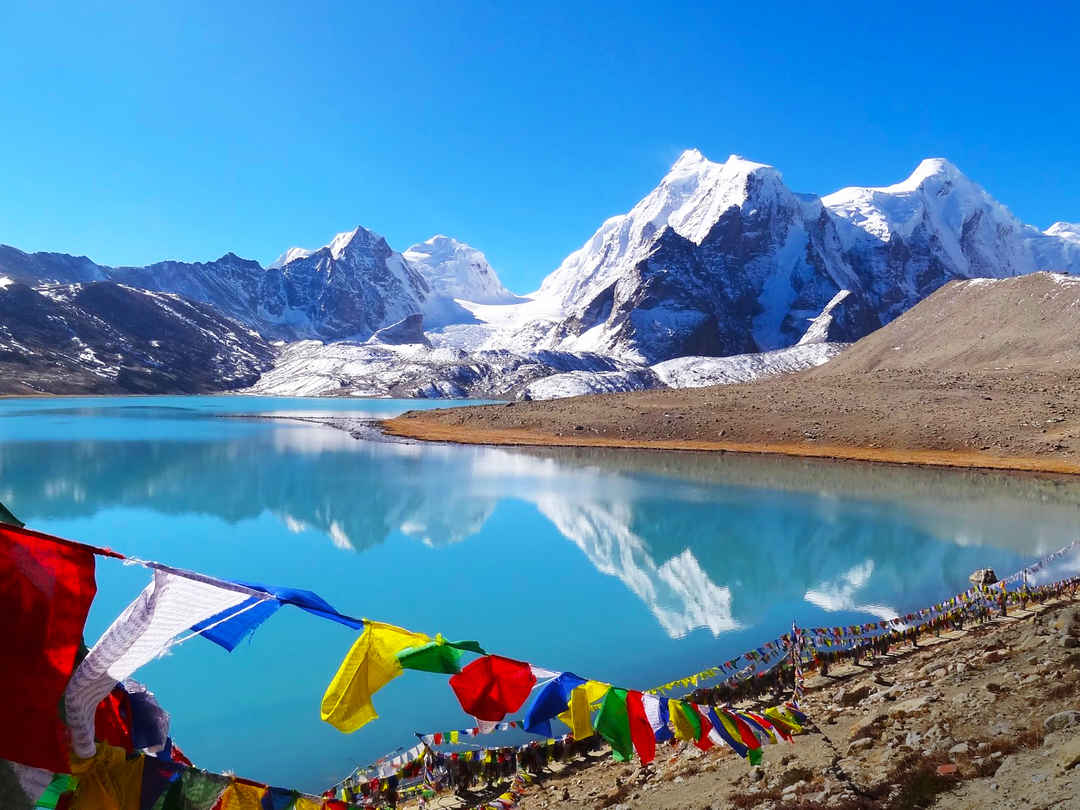
- Significance: It's marked by processions, the hoisting of prayer flags, and acts of kindness and generosity, embodying the Buddhist virtues of compassion and non-violence.
Phang Lhabsol
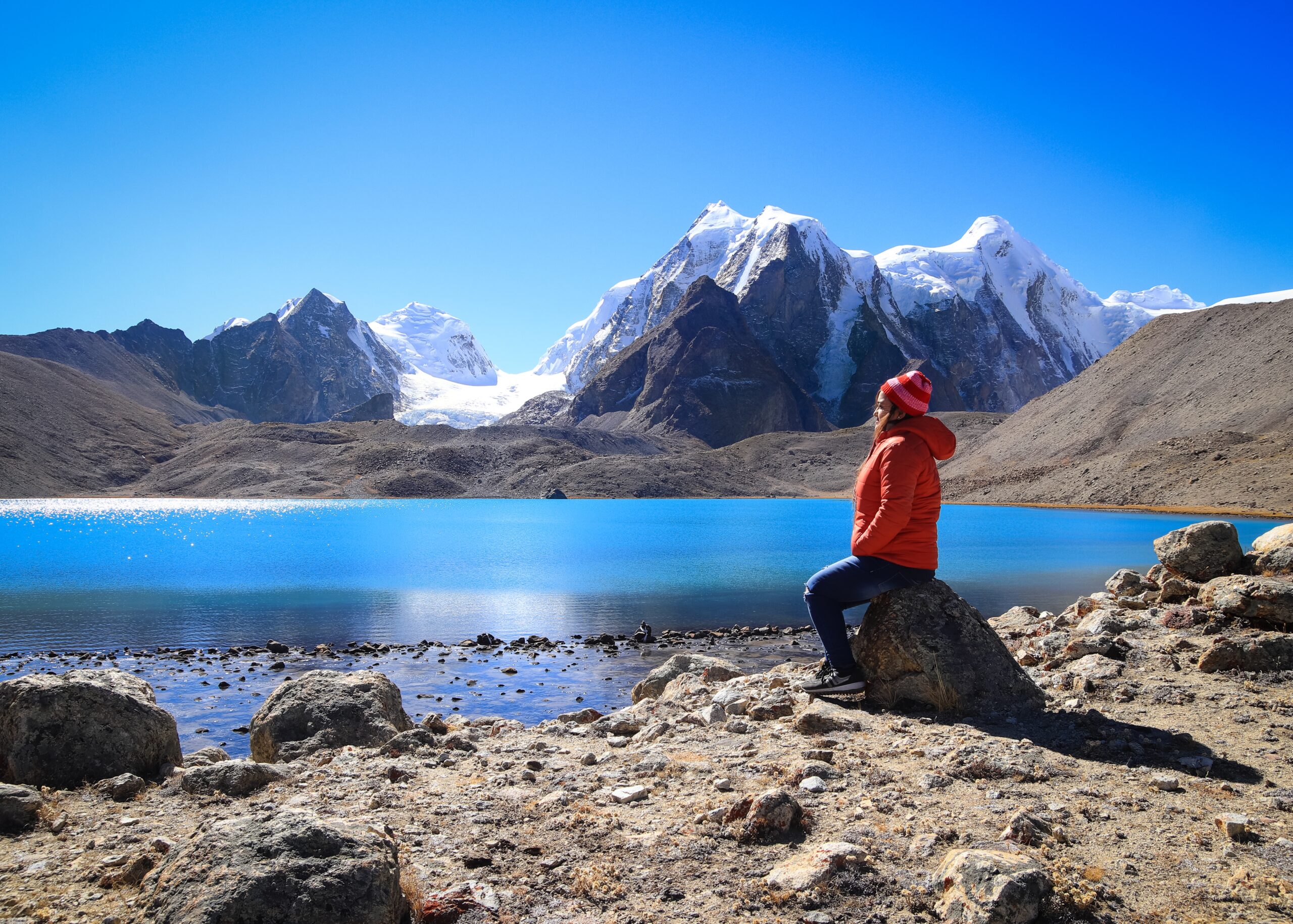
- Celebration: Unique to Sikkim, this festival is celebrated in August or September to honor Mount Khangchendzonga, revered as the guardian deity of the state. The festival features the masked dance, Chaam, portraying deities and demons.
- Significance: It signifies the symbiotic relationship between humans and nature and promotes the worship of Mount Khangchendzonga.
Dasain (Durga Puja)
- Celebration: Celebrated in September or October, Dasain is a major Hindu festival in Sikkim, dedicated to the goddess Durga. It involves worshipping, feasting, and visiting friends and relatives.
- Significance: Dasain symbolizes the victory of good over evil and is a time for rejuvenation and blessings.
Tihar (Diwali)
- Celebration: Following Dasain, Tihar is celebrated over five days, usually in October or November. Each day is dedicated to honoring crows, dogs, cows, oxen, and brothers, with the exchange of gifts and sweets.
- Significance: Tihar, the festival of lights, represents the triumph of light over darkness and knowledge over ignorance.
Lhabab Duchen
- Celebration: This Buddhist festival commemorates the descent of Lord Buddha from heaven back to earth. It is observed by prayers, making offerings, and performing meritorious acts.
- Significance: Lhabab Duchen is a day of gratitude towards Buddha for his teachings, with the belief that virtuous actions performed on this day are multiplied in merit.
Losoong
- Celebration: Also known as Sikkimese New Year, Losoong is celebrated in December, marking the end of the harvest season. It's characterized by Chaam dances, archery competitions, and feasts.
- Significance: Losoong is a time for farmers to relax and celebrate their hard work, and it also serves as a thanksgiving to the gods for a good harvest.
Tihaar
- Celebration: Similar to Tihar, Tihaar is celebrated by the Lepcha and Bhutia communities in Sikkim. It includes lighting butter lamps and offering prayers.
- Significance: It's a festival of lights that marks the onset of the winter season and is a time for family reunions and joy.
These festivals not only add to the cultural richness of Sikkim but also offer an opportunity for visitors to experience the state's traditions, spirituality, and community life.
Must Visit Places in Sikkim