History & Cultures in Sikkim
Sikkim, nestled in the Himalayas, is not just a haven for natural beauty and spirituality but also a repository of rich history. The state is dotted with historical sites that tell tales of its royal past, cultural heritage, and the intermingling of different civilizations. Here are some of the significant historical places in Sikkim:
Rabdentse Ruins
Once the second capital of the Kingdom of Sikkim, Rabdentse was destroyed in the 18th century during the Nepalese invasion. Today, the ruins of this ancient capital near Pelling offer a glimpse into Sikkim's royal past. Visitors can explore the remains of the palace and chortens, with panoramic views of the Kanchenjunga range. The site is also part of the Buddhist religious pilgrimage circuit.
Dubdi Monastery
Dubdi Monastery, located near Yuksom in West Sikkim, is often referred to as the oldest monastery in Sikkim, established in 1701. It played a crucial role in the establishment of the Nyingma sect of Tibetan Buddhism in Sikkim. The monastery, also known as the Hermit's Cell after its secluded location, houses ancient manuscripts and religious texts, offering insights into the early Buddhist practices in the region.
Norbugang Chorten
Norbugang Chorten is a significant historical site located in Yuksom, marking the place where the first Chogyal (king) of Sikkim was crowned in 1642. The site includes a coronation throne made of stone, a stupa, and a small lake. It is a testament to the birth of Sikkim's monarchy and the unification of the state under the Namgyal dynasty.
Tashiding Monastery
Established in the 17th century, Tashiding Monastery is known for its sacred chortens and the Bumchu Festival, which attracts devotees from all over. The monastery is perched atop a hill between Rathong chu and Rangeet River, offering stunning views. It is considered one of the most sacred monasteries in Sikkim, believed to cleanse sins of the faithful.
Enchey Monastery
Enchey Monastery, located in Gangtok, is over 200 years old and has a significant place in Sikkim's history. The monastery is built on a site blessed by Lama Druptob Karpo, a tantric master known for his flying powers. This monastery reflects the architectural style of the Vajrayana Buddhism and is a hub for religious festivities.
Namgyal Institute of Tibetology
Though not ancient, the Namgyal Institute of Tibetology, established in 1958, is an important center for the study of Tibetan culture and Buddhism. Housed in a traditional Tibetan-style building, it contains one of the world's largest collections of Tibetan manuscripts, statues, and thangkas. The institute is a treasure trove of knowledge and offers insights into the historical ties between Sikkim and Tibet.
The Old Silk Route
The Old Silk Route through Sikkim was part of the ancient network of trade paths that connected India to China. Specific stretches in Sikkim, particularly in East Sikkim, are rich in history from the times when this route was bustling with traders. Nathu La Pass, part of this route, is a symbol of the historical trade relations and cultural exchange between the two regions.
These historical sites in Sikkim are not just attractions but are narratives of the state's evolution, its cultural integration, and the legacy of its people. They offer a profound understanding of Sikkim's past, enriching the experience of visitors with a keen interest in history and culture.
RELIGIOUS PLACES
Sikkim, nestled in the Himalayas, is not only known for its breathtaking landscapes but also for its rich tapestry of religious heritage. The state is dotted with numerous monasteries, temples, and shrines that reflect the deep-rooted spirituality and diverse religious practices of its people. Here are some of the significant religious places in Sikkim:
Rumtek Monastery
Located near Gangtok, Rumtek Monastery is one of the largest and most significant monasteries in Sikkim. It serves as the seat of the Karmapa Lama, who is the head of the Karma Kagyu school of Tibetan Buddhism. The monastery is renowned for its sacred artifacts, exquisite murals, and traditional architecture, making it a focal point for Buddhist scholars and practitioners.
Pemayangtse Monastery
Situated in West Sikkim, Pemayangtse Monastery is one of the oldest monasteries in the state. It belongs to the Nyingma sect of Tibetan Buddhism and offers panoramic views of the surrounding mountains, including the majestic Kanchenjunga. The monastery is famous for its intricate wooden sculptures and paintings that depict the heavenly realm of Guru Padmasambhava.
Tashiding Monastery
Tashiding Monastery, located in the western part of Sikkim, is considered one of the holiest Buddhist shrines in the state. It is known for the Bumchu Festival, which attracts devotees from all over the region. The monastery stands on a hilltop between the Rathong and Rangeet rivers, offering serene and spiritual ambiance to visitors.
Enchey Monastery
Enchey Monastery, perched on a hilltop in Gangtok, is another important religious site in Sikkim. It belongs to the Nyingma order of Vajrayana Buddhism and features beautiful murals and statues of Buddhist deities. The monastery is also known for the vibrant Chaam (mask dance) performed during the annual Pang Lhabsol festival.
Thakurbari Temple
Located in the heart of Gangtok, Thakurbari Temple is one of the oldest Hindu temples in Sikkim. It is a significant place of worship for the local Hindu community and is dedicated to various Hindu deities. The temple complex also serves as a cultural and community center, hosting various religious and social events.
Namchi Char Dham
The Char Dham in Namchi is a unique pilgrimage center that features replicas of four of the most sacred Hindu temples in India: Jagannath, Badrinath, Dwarkadheesh, and Rameshwaram. It also has a towering statue of Lord Shiva, making it a popular destination for devotees and tourists alike.
Gurudongmar Lake
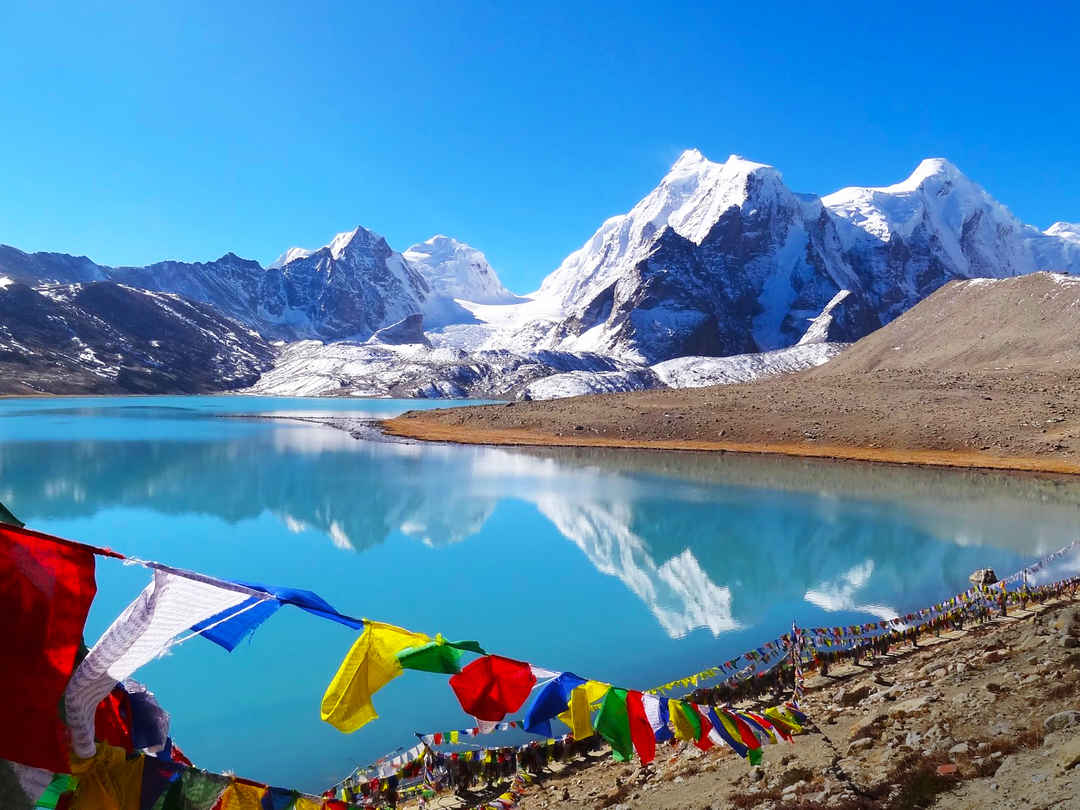
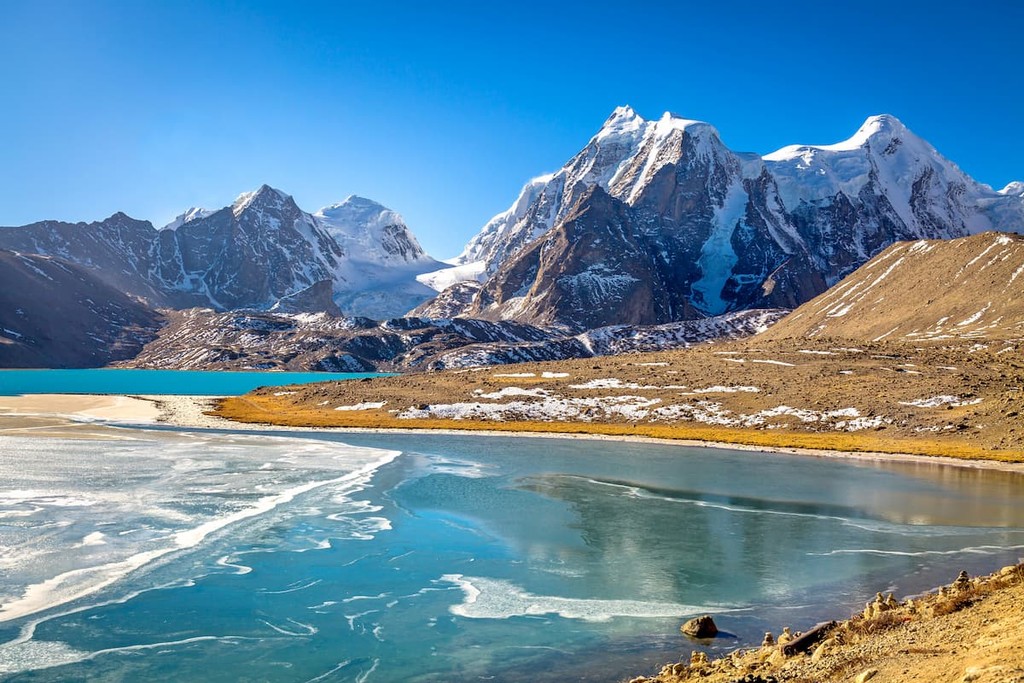
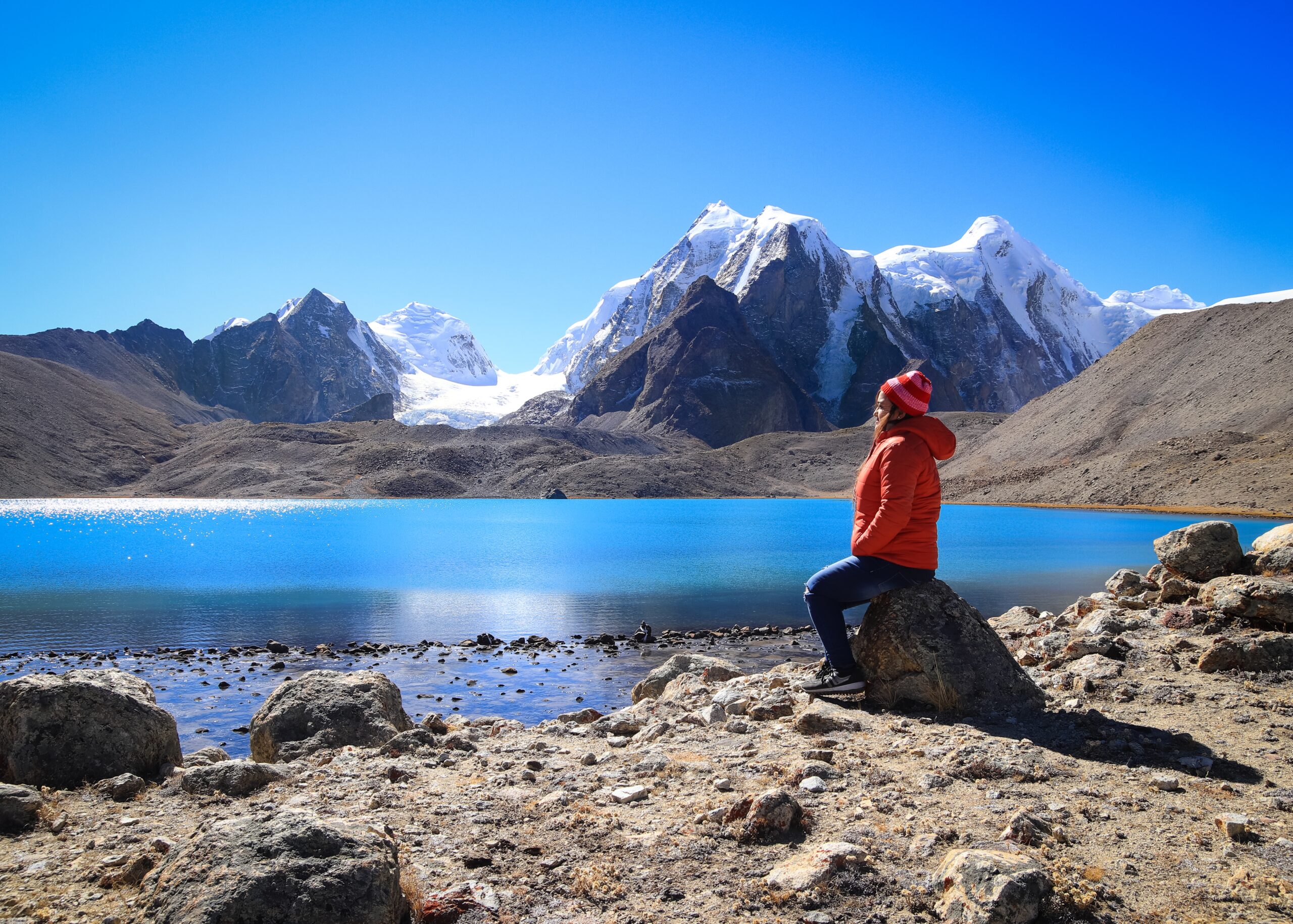
Though not a religious structure, Gurudongmar Lake is considered sacred by Buddhists, Sikhs, and Hindus. Located at a high altitude near the Tibetan border, the lake is associated with Guru Padmasambhava and Guru Nanak. It is a site of spiritual significance and attracts pilgrims seeking blessings.
These religious sites in Sikkim are not only places of worship but also serve as custodians of the rich cultural heritage and spiritual traditions of the region. They offer peace and solace to visitors, along with a glimpse into the state's diverse religious practices and beliefs.
Must Visit Places in Sikkim